The archive
Cultures
Traditions that have treated certain mushrooms as healers, diviners, ancestors, or dangerous intelligences — each tagged with an evidence label for how well the connection is documented, from living practice to disputed theory.
Basotho · Basotho
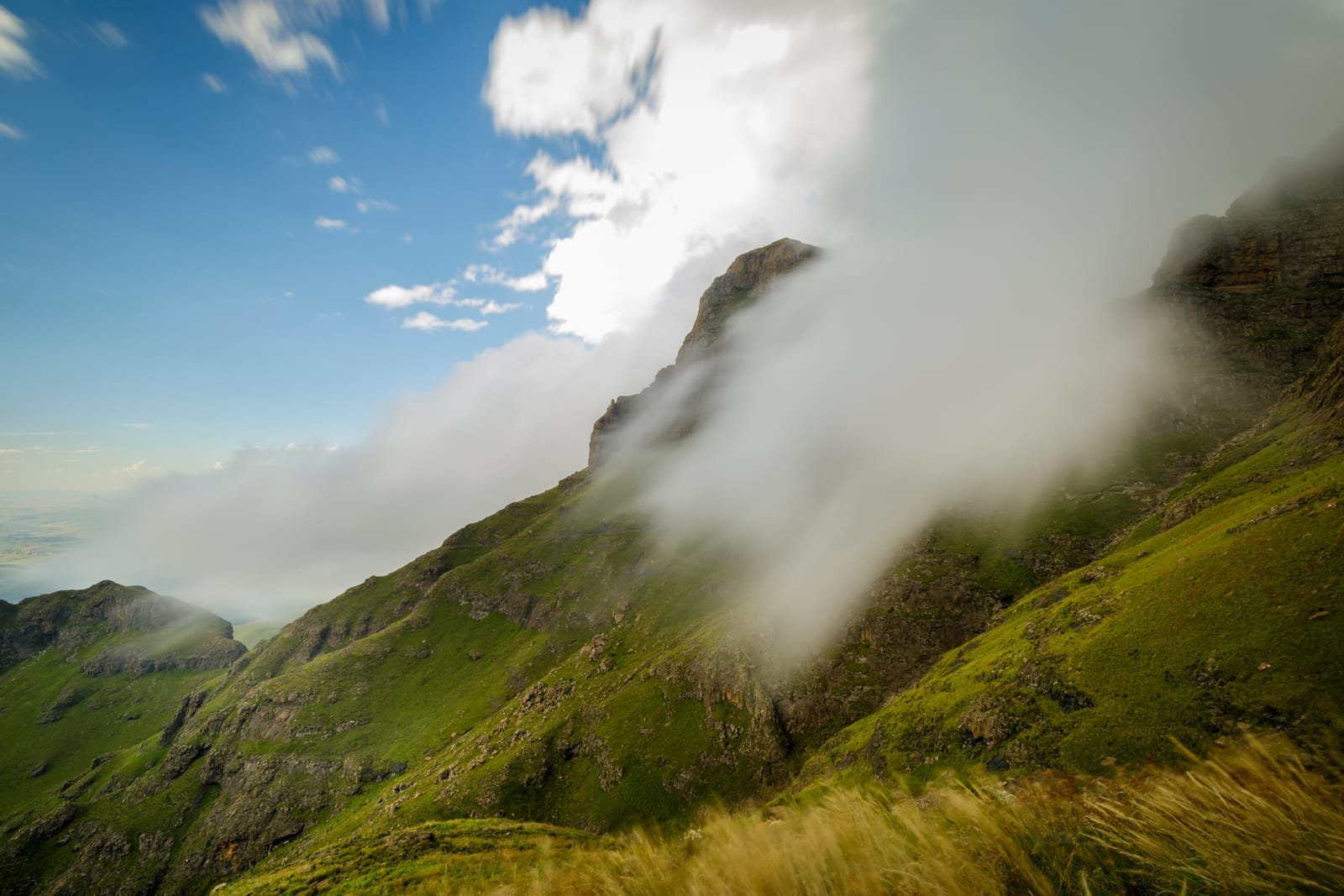
Southern Africa was long treated as a blank space on the psychedelic map. New research on the Basotho suggests that blankness was a failure of attention: healers identify a native psilocybin mushroom and use it — for initiation, healing, protection, and the sharpening of dreams.
Principal mushroom — Psilocybe maluti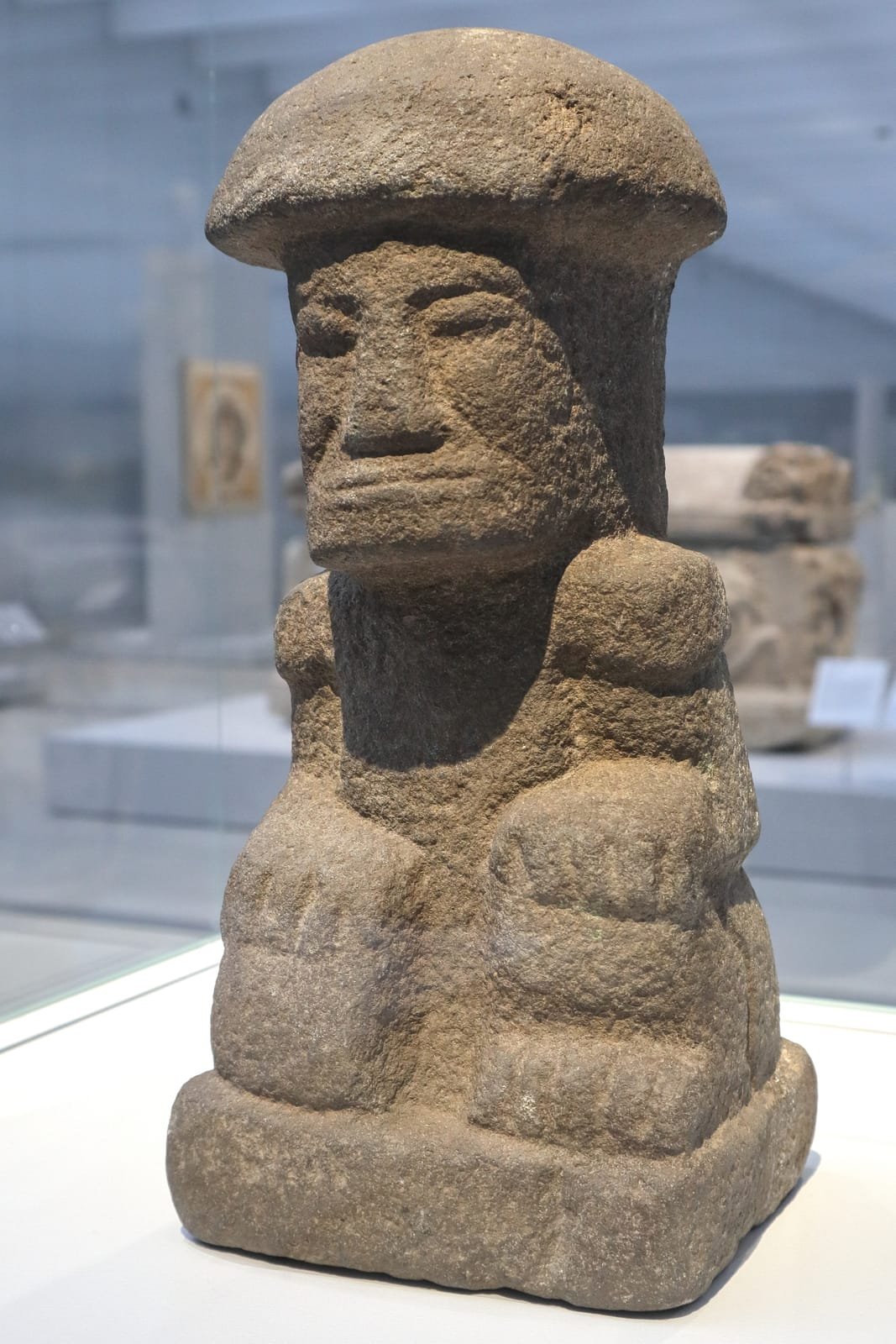
Maya
The ancient Maya mushroom story is powerful, but not simple. Carved mushroom stones from Guatemala have led some scholars to propose a sacred mushroom complex; others read the same objects as potters' moulds. No observed ceremony survives to settle it.
Mazatec · Ha shuta enima
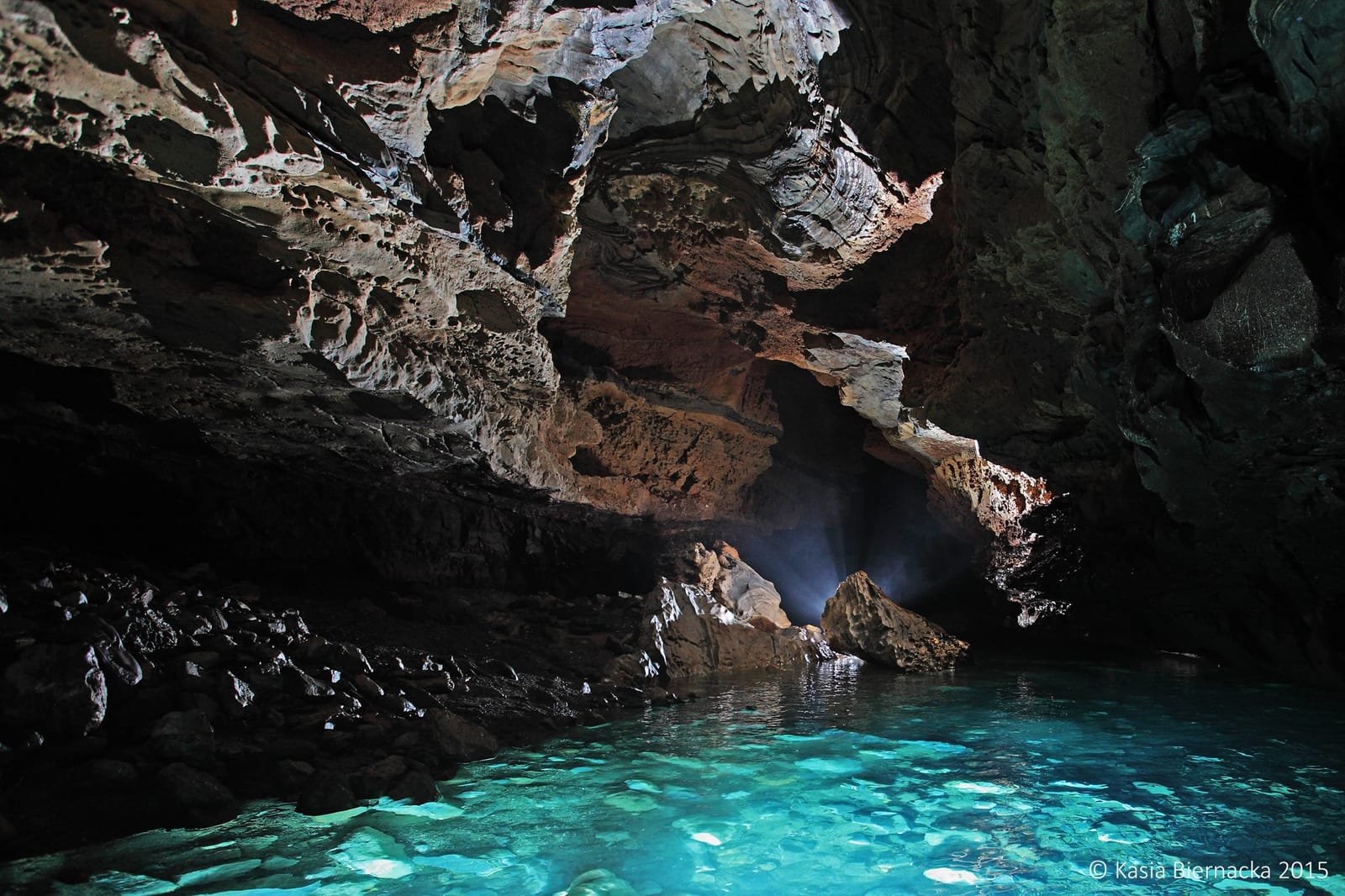
In the cloud forests of northern Oaxaca, Mazatec healers address certain mushrooms not as drugs but as holy children — persons who can diagnose illness and speak through ritual song. It is the best-documented living mushroom tradition in the world.
Principal mushroom — Psilocybe caerulescens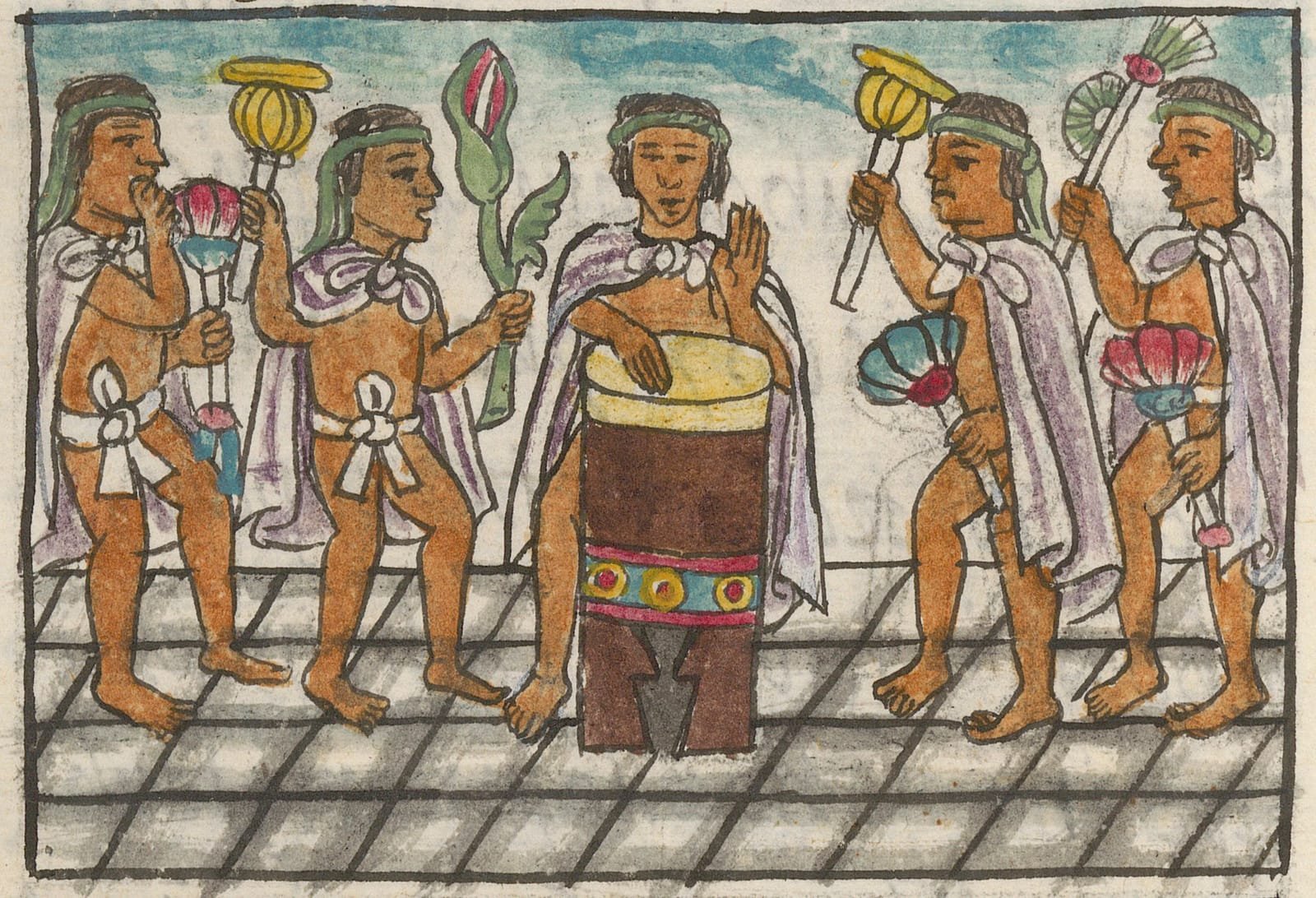
Nahua · Nahua
Behind the Nahuatl word teonanácatl lies an archive of ritual practice that never entirely died — from the mushrooms of the Florentine Codex to a living medicine of thunder, rain, and healing.
Principal mushroom — Psilocybe caerulescens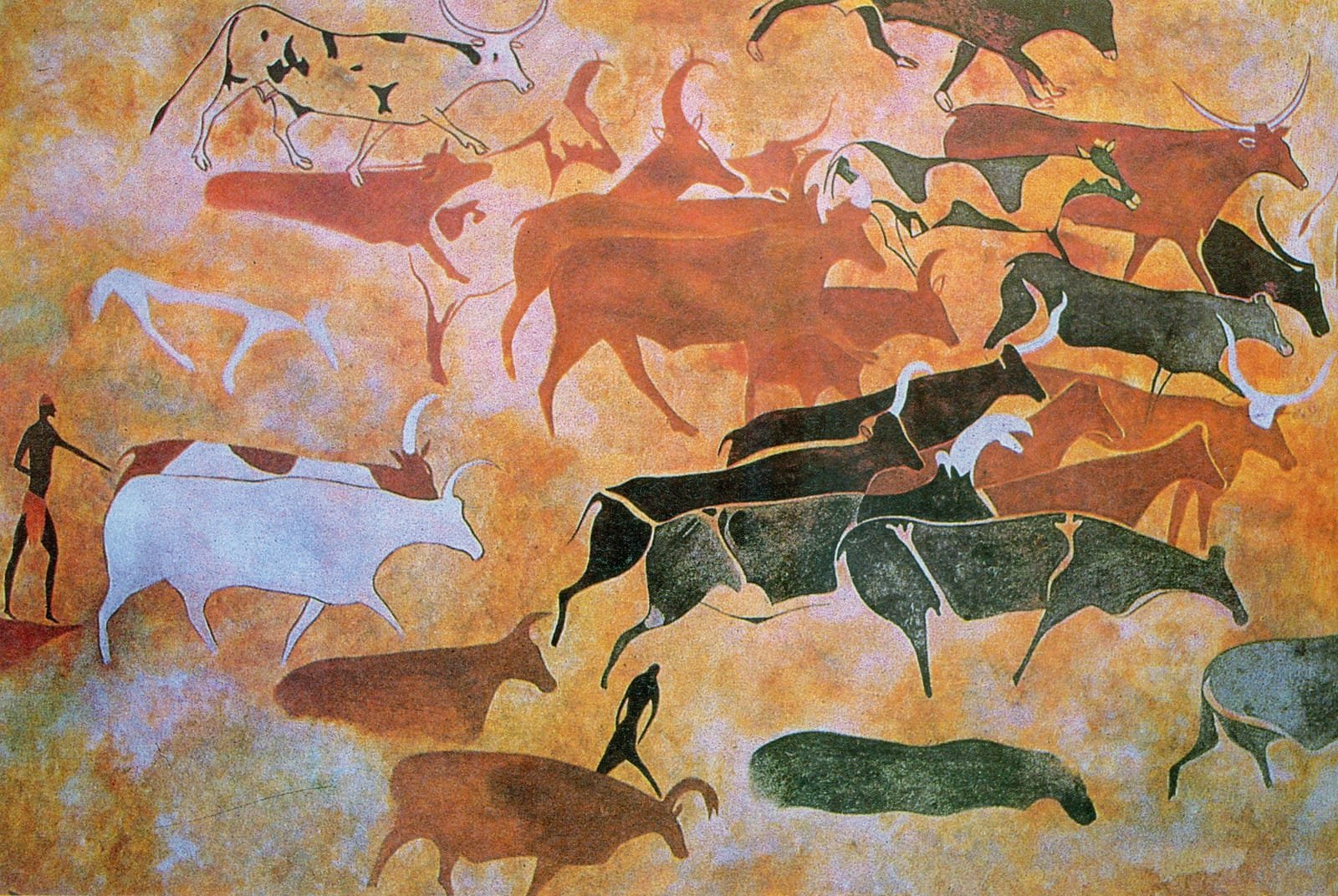
Tassili n'Ajjer
On a Saharan plateau in Algeria, some of the world's oldest rock art includes figures read by a few researchers as mushroom-holding shamans. The forms are ambiguous, and nothing connects them to a known practice.
Vedic (Indo-Iranian) · Ārya
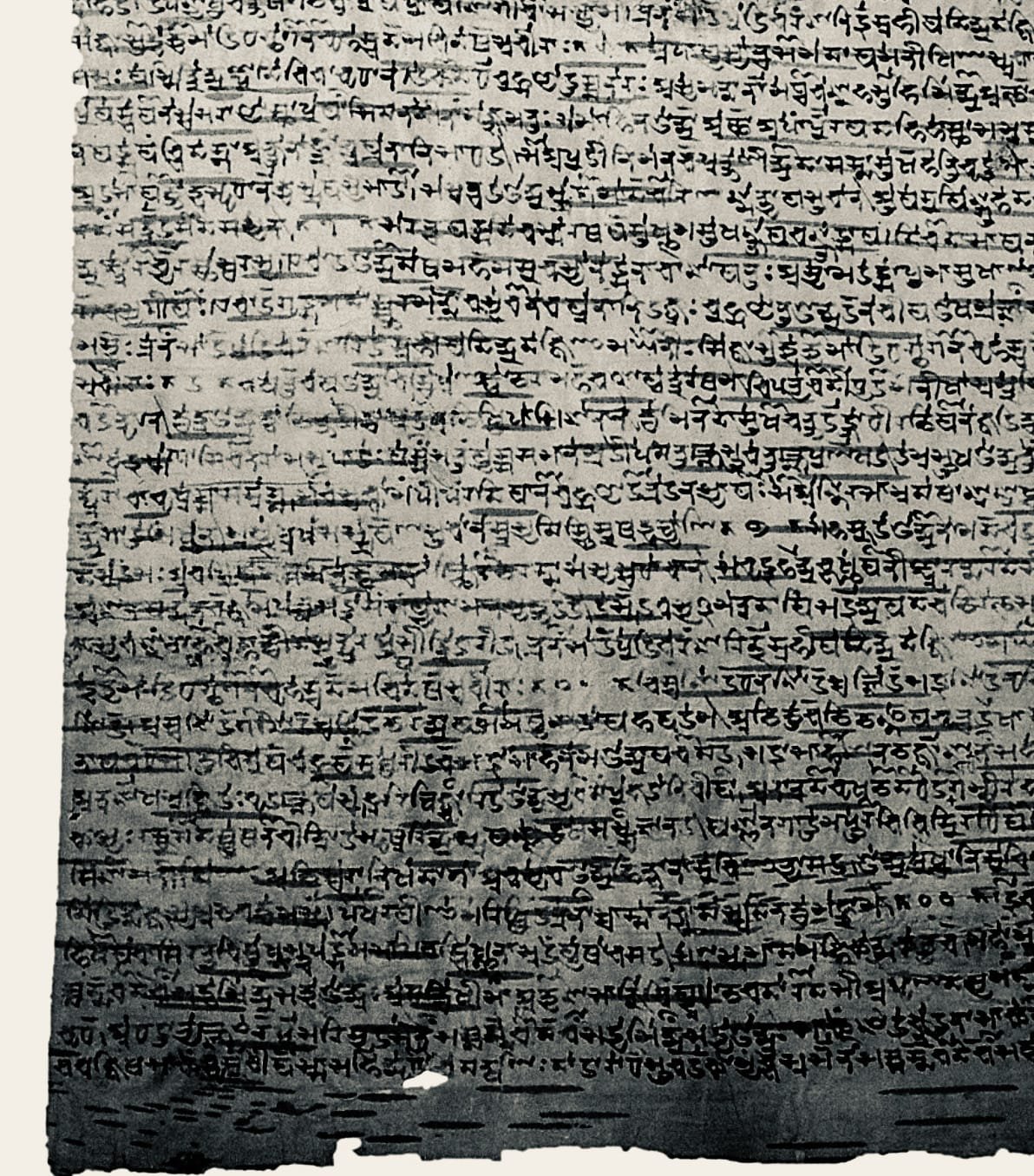
The Rigveda praises Soma — a plant pressed for a radiant juice and drunk by priests and gods. Which plant it was, the hymns never say. One famous theory makes it the fly agaric; the identification is far from settled.
Principal mushroom — Amanita muscaria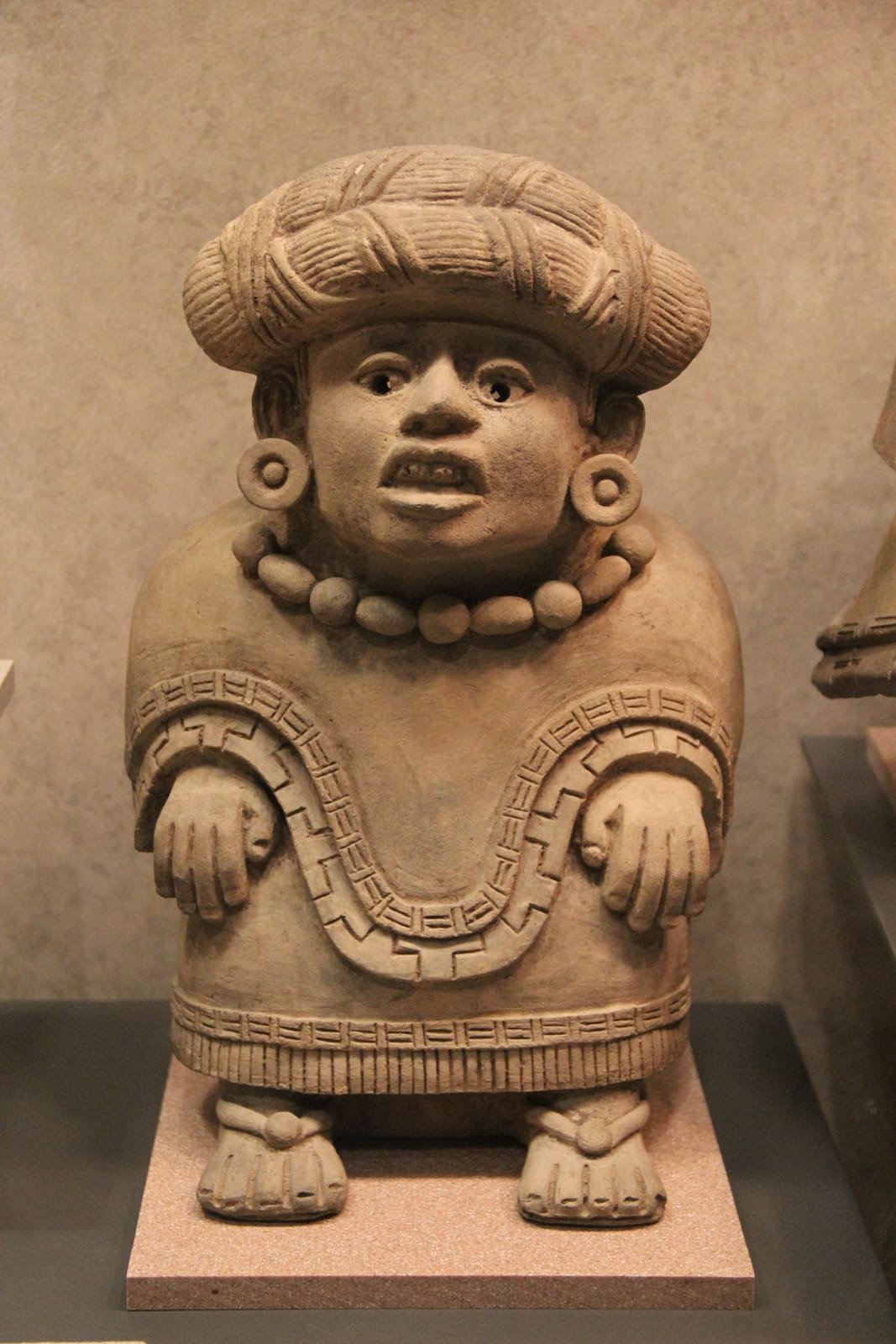
Zapotec · Binnizá / Bene Xon
No longer a historical rumour: a 2025 study documented living Zapotec ritual use of Psilocybe zapotecorum for healing and divination — the holy mushrooms called Ni'to be'ya.
Principal mushroom — Psilocybe zapotecorum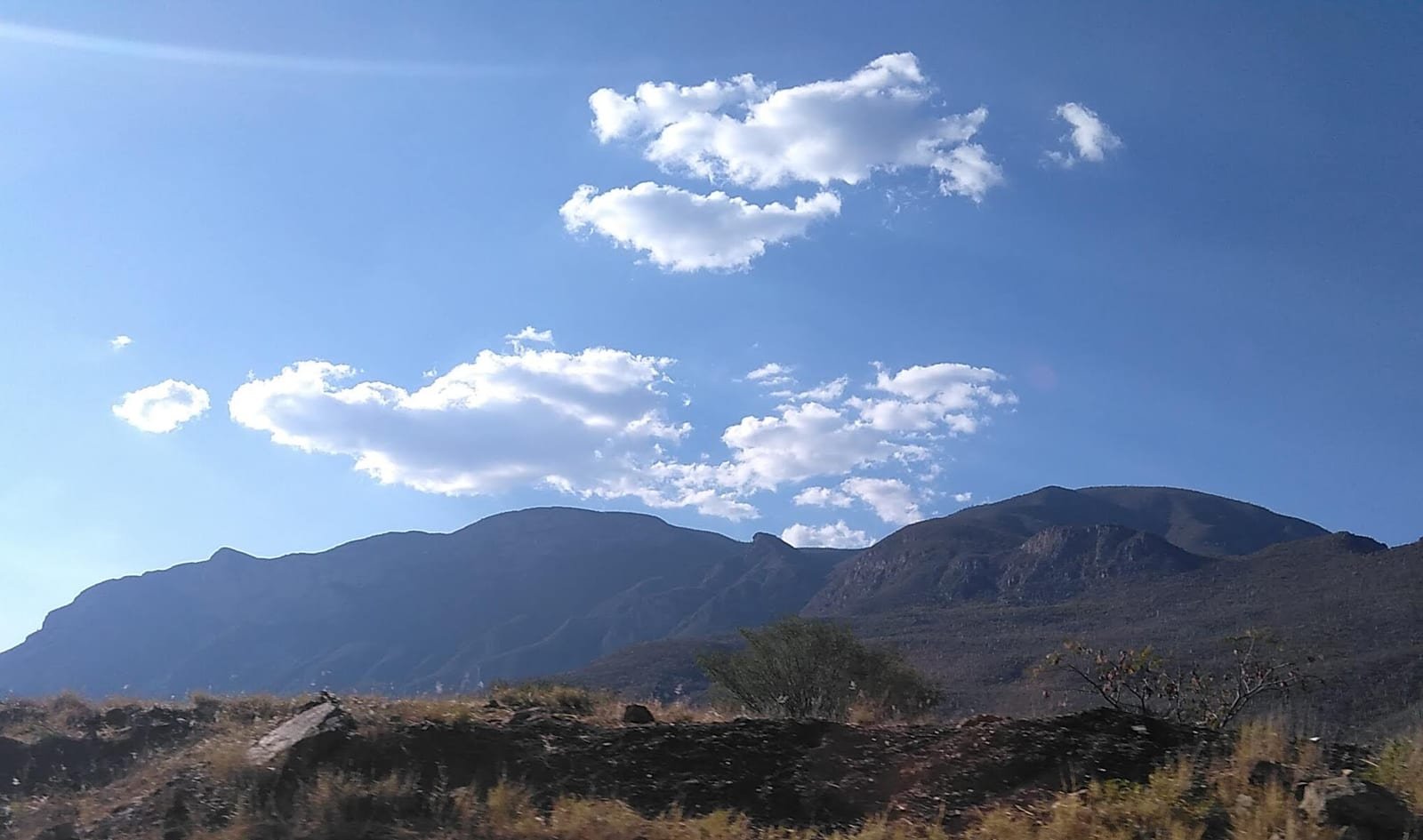
Chatino
Southern neighbours of the Zapotec, the Chatino appear in the ethnomycological record as one of the Mexican peoples with sacred mushroom use — though the detailed fieldwork behind that record is thin.
Principal mushroom — Psilocybe mexicana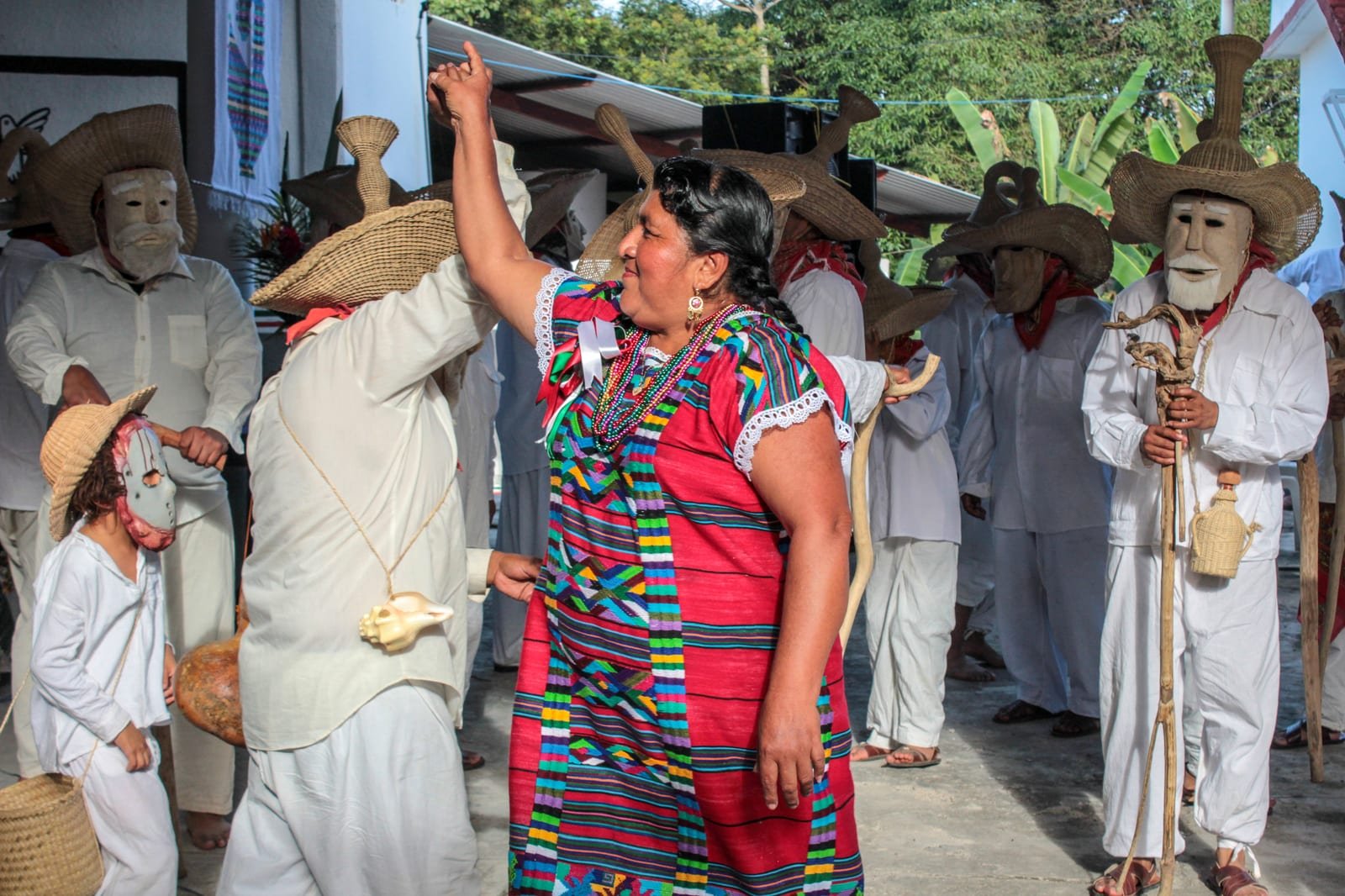
Chinantec
A quieter record from Oaxaca: ethnography describes hallucinogenic mushrooms used for diagnosis — finding the cause of an affliction — among highland Chinantec healers.
Principal mushroom — Psilocybe hoogshagenii
Chukchi · Luoravetlan — 'the true people'
Neighbours of the Koryak at the north-eastern tip of Asia, the Chukchi are the other well-documented fly-agaric people. Classic ethnography records Amanita muscaria as a being with a will of its own — the 'agaric men' who seize and guide the intoxicated.
Principal mushroom — Amanita muscaria
Evenki (Tungus) · Evenkil
The Tungus of eastern Siberia gave the world the very word 'shaman.' Fly agaric is repeatedly associated with them in the literature — but how central the mushroom was to Evenki shamanism, as opposed to drums, cold, and trance, is genuinely disputed.
Principal mushroom — Amanita muscaria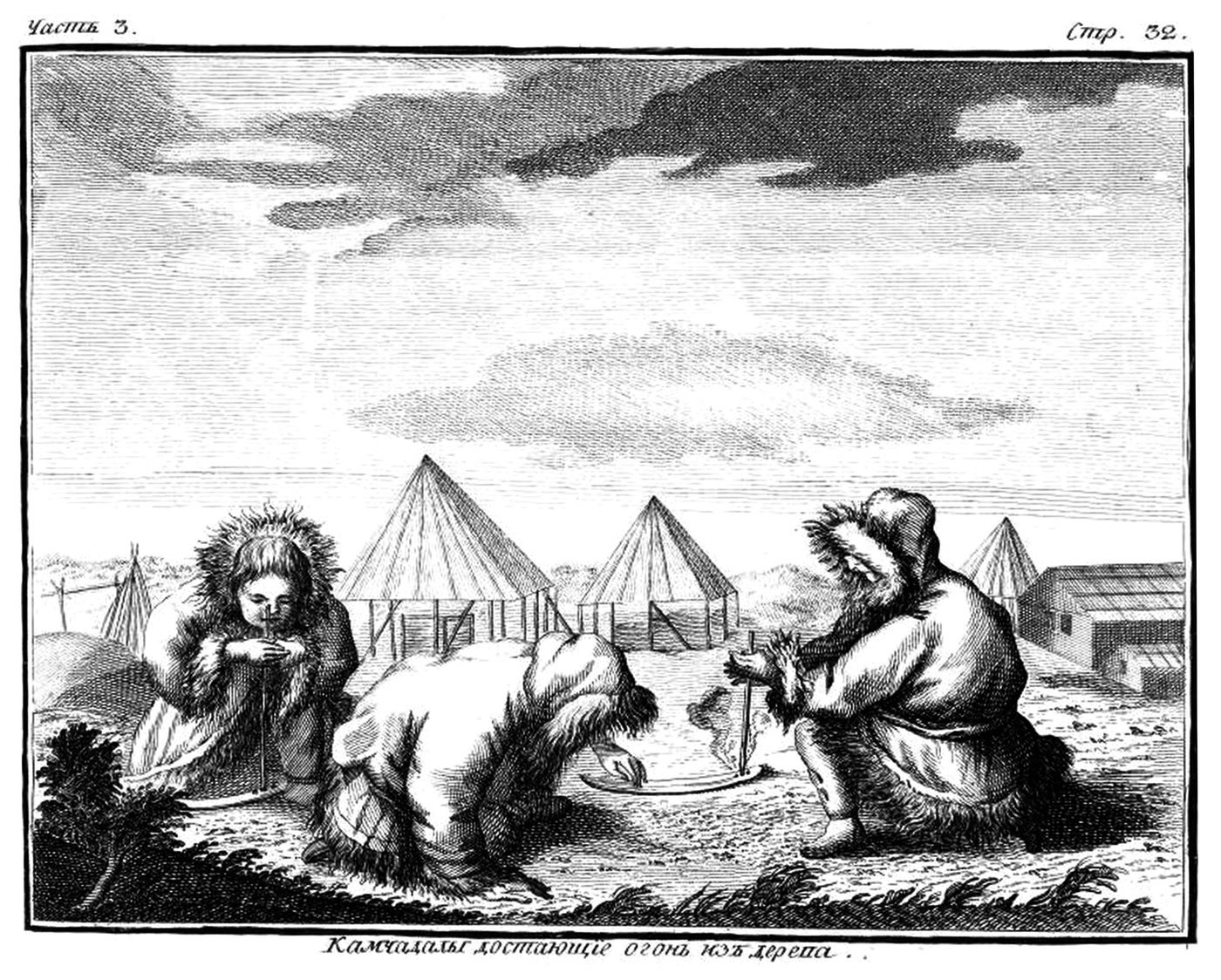
Itelmen (Kamchadal) · Itelmen — 'those who live here'
On the Kamchatka Peninsula, the earliest European explorers left the first written descriptions of Siberian fly-agaric intoxication. The Itelmen record is old, thin, and precious — the point where this practice first entered the outside world's books.
Principal mushroom — Amanita muscaria
Khanty & Mansi (Ob-Ugric) · Khanty
The Ob-Ugric peoples of western Siberia are the fly-agaric tradition on which R. Gordon Wasson built his case for Soma. Their reindeer-herders and ritual specialists used Amanita muscaria to reach the spirits — and their languages sit, tantalisingly, near the old Indo-Iranian world.
Principal mushroom — Amanita muscaria
Koryak · Chavchuven & Nymylan
In the Russian Far East, classic ethnography records the fly agaric — wapaq — as a ritual and social intoxicant. It is a genuine Old-World mushroom tradition, and a chemically distinct one that must not be folded into the psilocybin story.
Principal mushroom — Amanita muscaria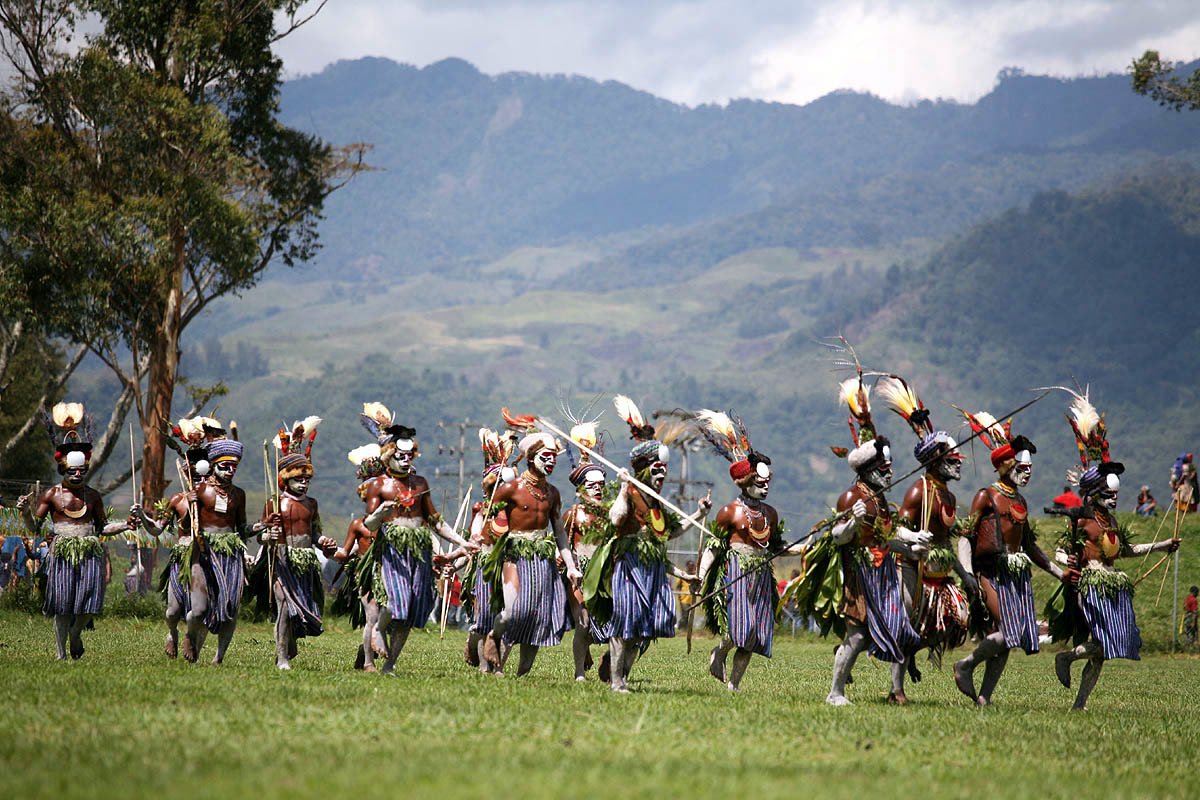
Kuma (Wahgi Valley) · Kuma, of the middle Wahgi
In the New Guinea Highlands, the Kuma 'mushroom madness' is one of the most famous cases in ethnomycology — and one of its great cautionary tales. Seasonal episodes of wild behaviour were blamed on certain mushrooms, but investigators could never confirm the mushrooms were the cause.

Matlatzinca · Matlatzinca / Pjiekakjoo
In the highland valleys west of Mexico City, the Matlatzinca are among the central Mexican peoples in whom Gastón Guzmán recorded ceremonial mushroom use — a quieter tradition than the Mazatec, but part of the same broad Mesoamerican inheritance.
Principal mushroom — Psilocybe mexicana
Mixe (Ayöök) · Ayöök
In the rugged mountains of eastern Oaxaca, the Mixe held onto a religious world of their own well into the twentieth century. Frank Lipp's ethnography records hallucinogenic mushrooms among their instruments of divination and healing.
Principal mushroom — Psilocybe mexicana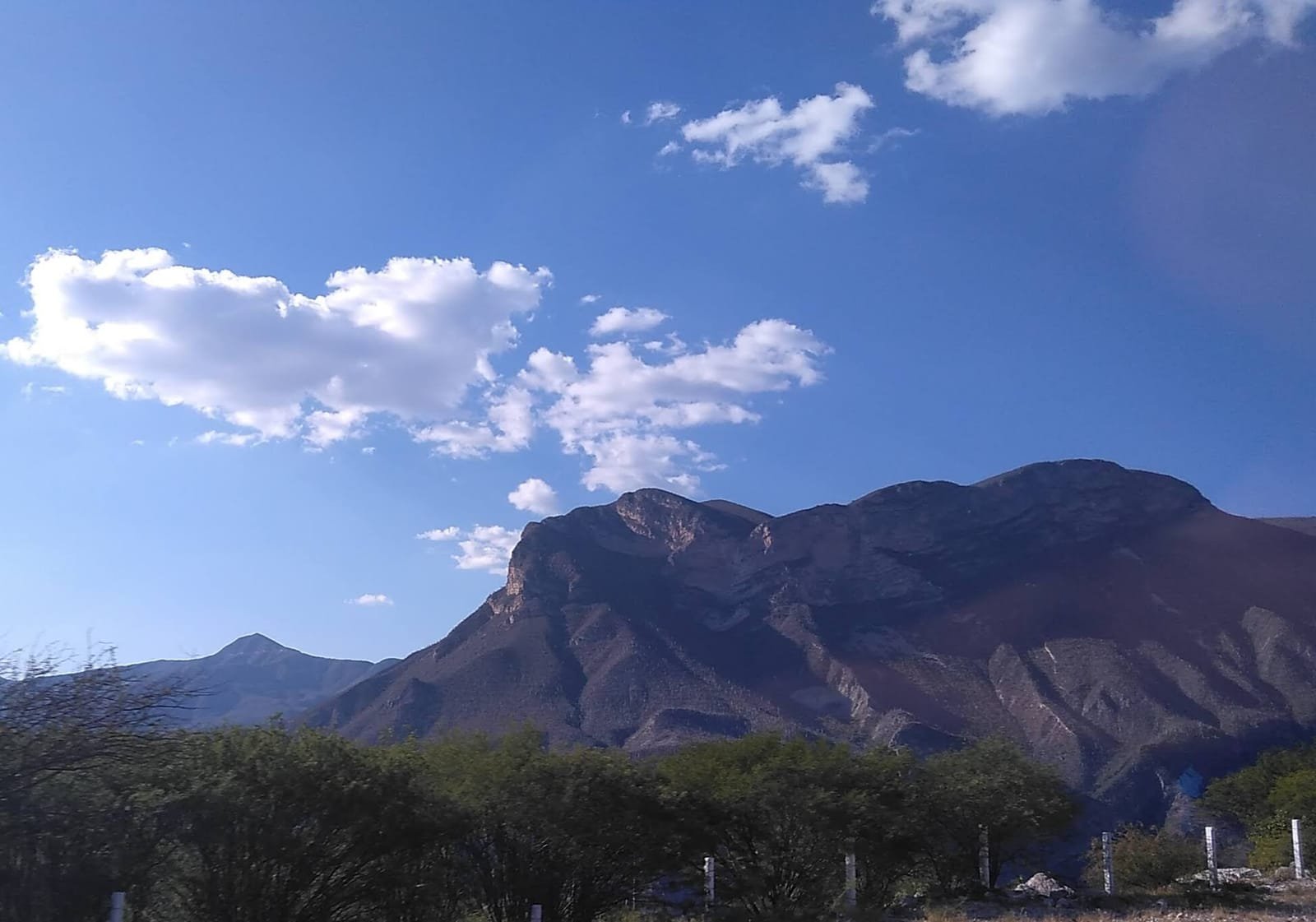
Mixtec (Ñuu Savi) · Ñuu Savi — ‘People of the Rain’
One of the oldest surviving pictorial records of ritual mushroom use in Mesoamerica sits in a Ñuu Savi codex — a scene of maize, pulque, and mushrooms before the first dawn. It is codical evidence, not an observed ceremony.
Norse (Berserkers) · Norrœnir menn
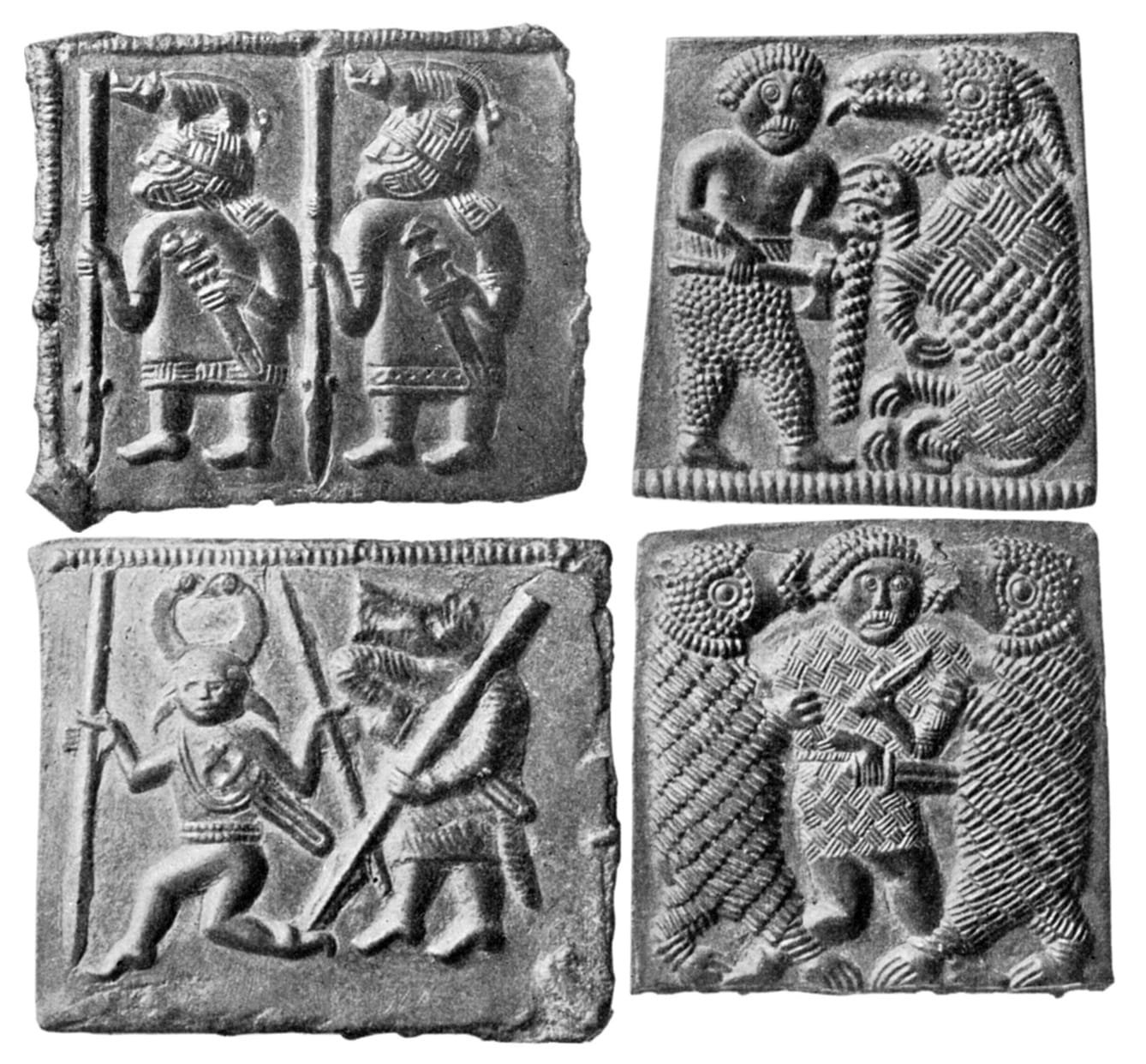
A popular theory holds that the battle-fury of the Norse berserkers came from eating fly agaric. No saga says so — the idea is an 18th-century guess that has been repeated ever since.
Principal mushroom — Amanita muscaria
Ojibwe (Anishinaabe) · Anishinaabe
A single, remarkable source — the Anishinaabe elder and ethnobotanist Keewaydinoquay — reports a ceremonial fly-agaric tradition, miskwedo, among the peoples of the western Great Lakes. It is the best-known claim for a North American Amanita practice, and it rests on one voice.
Principal mushroom — Amanita muscaria
Otomí (Ñähñu) · Hñähñu
In the Sierra Norte de Puebla and the highlands of Hidalgo, Otomí communities are among the central Mexican peoples with recorded ceremonial mushroom use — part of a living Indigenous religious landscape often overshadowed by the Oaxacan cases.
Principal mushroom — Psilocybe mexicanaPurépecha (Tarascan) · P'urhépecha
In the lake country of Michoacán live one of Mexico's greatest mushroom-eating peoples, keepers of a vast and well-documented knowledge of fungi. Within it, the sacred, visionary use that made the Mazatec famous appears — among the Purépecha — to have faded to memory.
Principal mushroom — Psilocybe mexicana
Sámi · Sámi
The reindeer-herding Sámi of the European Arctic are the people most often attached to the fly agaric in popular culture — the source, supposedly, of flying reindeer and Father Christmas. The living people are real; the mushroom 'tradition' credited to them is mostly modern myth.
Principal mushroom — Amanita muscaria
Tlapanec (Me'phaa) · Me'phaa
In the rugged Montaña of Guerrero, the Me'phaa are among the southern Mexican peoples with recorded ceremonial mushroom use — a case documented lightly in the mycological literature and belonging to the same broad tradition as the Oaxacan veladas.
Principal mushroom — Psilocybe hoogshagenii
Totonac · Tachiwīn
The Totonac of the Gulf lowlands — builders of El Tajín — are among the eastern Mexican peoples with recorded ceremonial mushroom use, a tradition documented lightly but genuinely alongside the better-known Oaxacan cases.
Principal mushroom — Psilocybe mexicana
Yurimagua · Yurimagua
A single early-colonial report describes an Amazonian people brewing an intoxicating drink from a 'tree fungus.' It is one of the very few hints of psychoactive fungus use in South America — and one of the frailest, a fragment of Jesuit testimony that was never confirmed.